Bhutan introduced Gross National Happiness (GNH) in the 1970s as an alternative to GDP, grounded in the belief that true development must balance economic growth with cultural, spiritual, social, and environmental wellbeing.
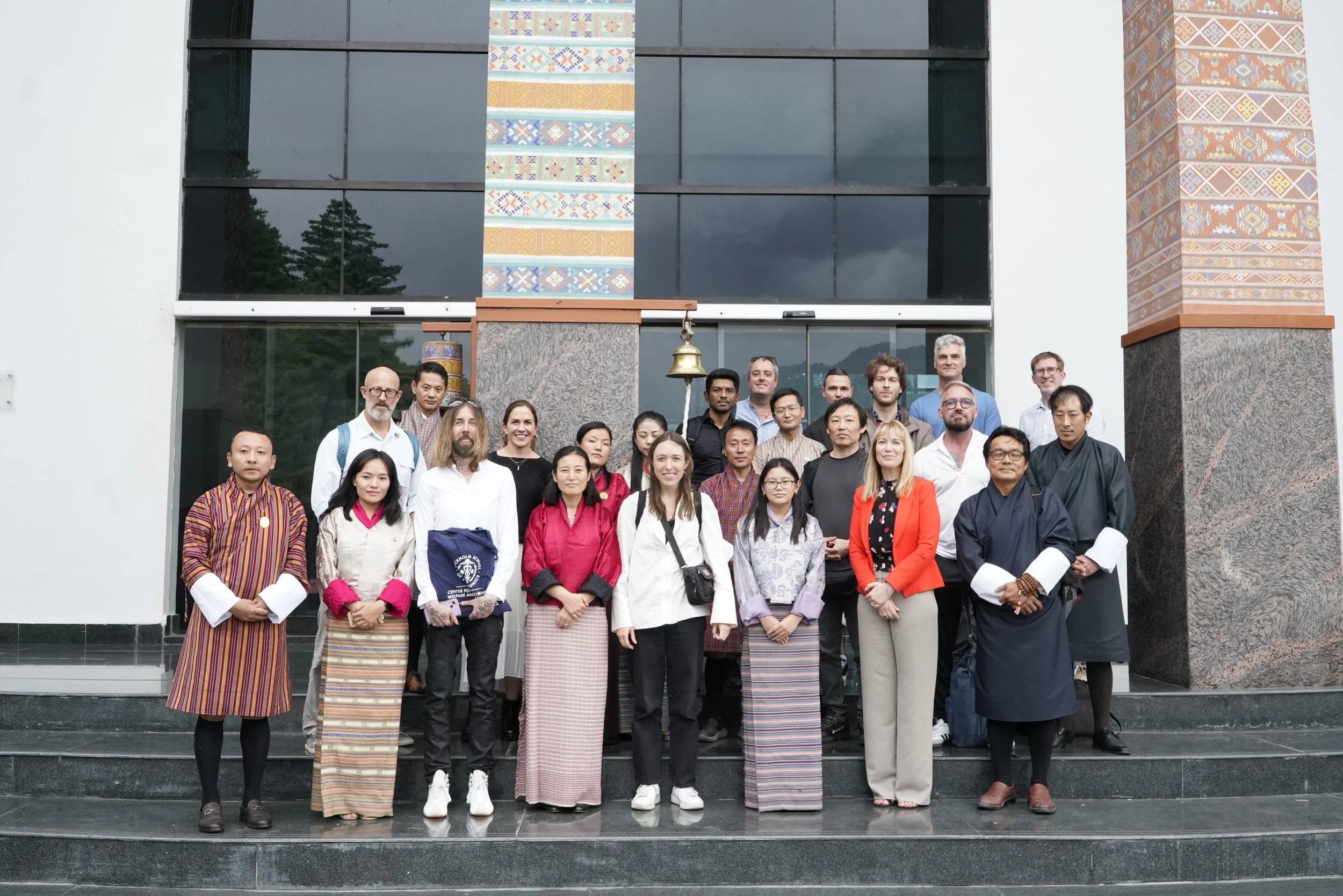
Based on the shared commitment to the belief that holistic wellbeing and development enhance economic productivity and commercial profitability, promoting prosperity with purpose, the Center for Wellbeing, Welfare and Happiness (CWWH) at the Stockholm School of Economics and the Royal Institute for Governance and Strategic Studies in Bhutan (RIGSS) in 2024 signed an agreement to collaborate.